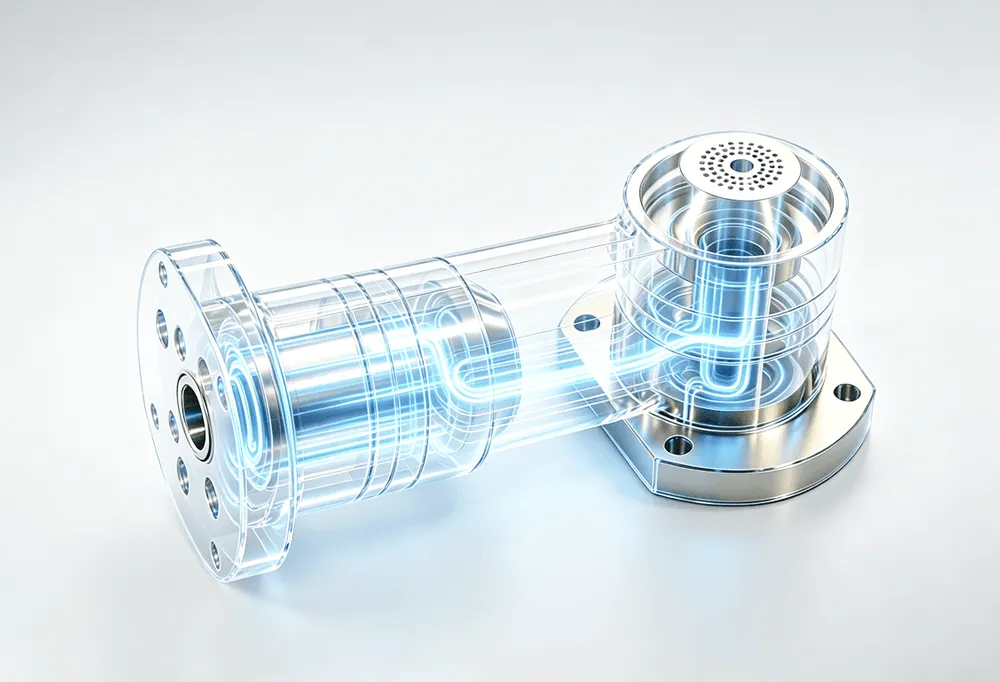
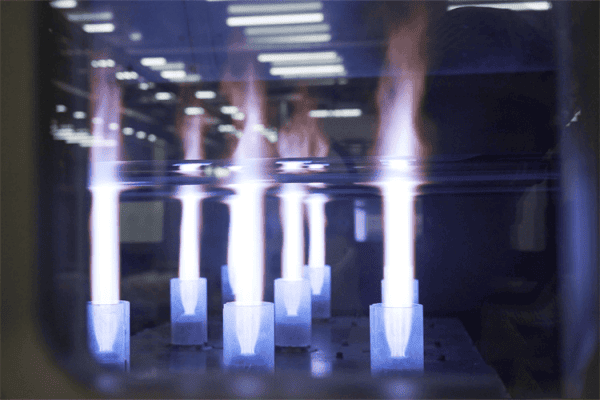
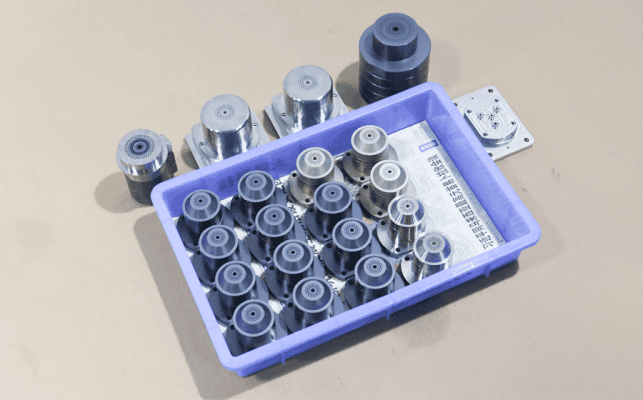
In optical fiber preform manufacturing, even a $0.01text{ mm}$ eccentricity in the gas distribution layers can alter the flame geometry. This imbalance disrupts the high-temperature hydrolysis of $SiCl_4$ and $GeCl_4$, leading to uneven soot deposition density and compromised refractive index profiles in the final fiber core.
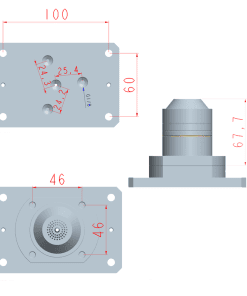
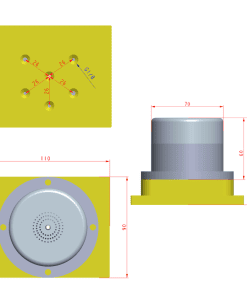
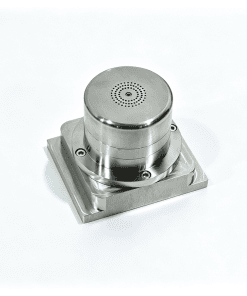
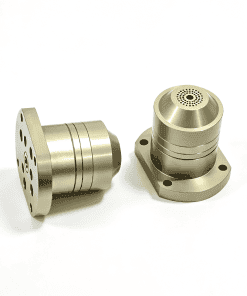
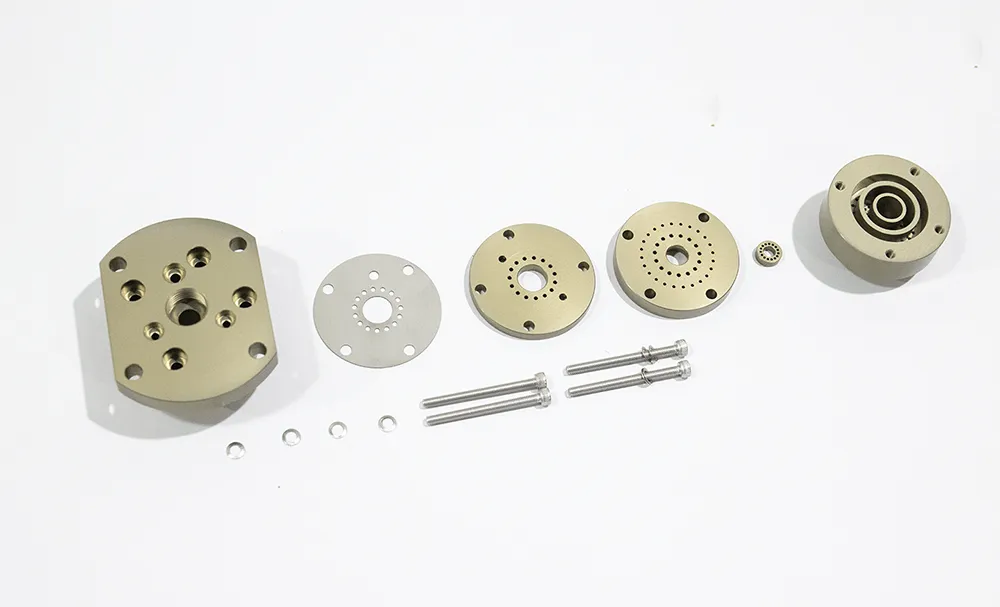
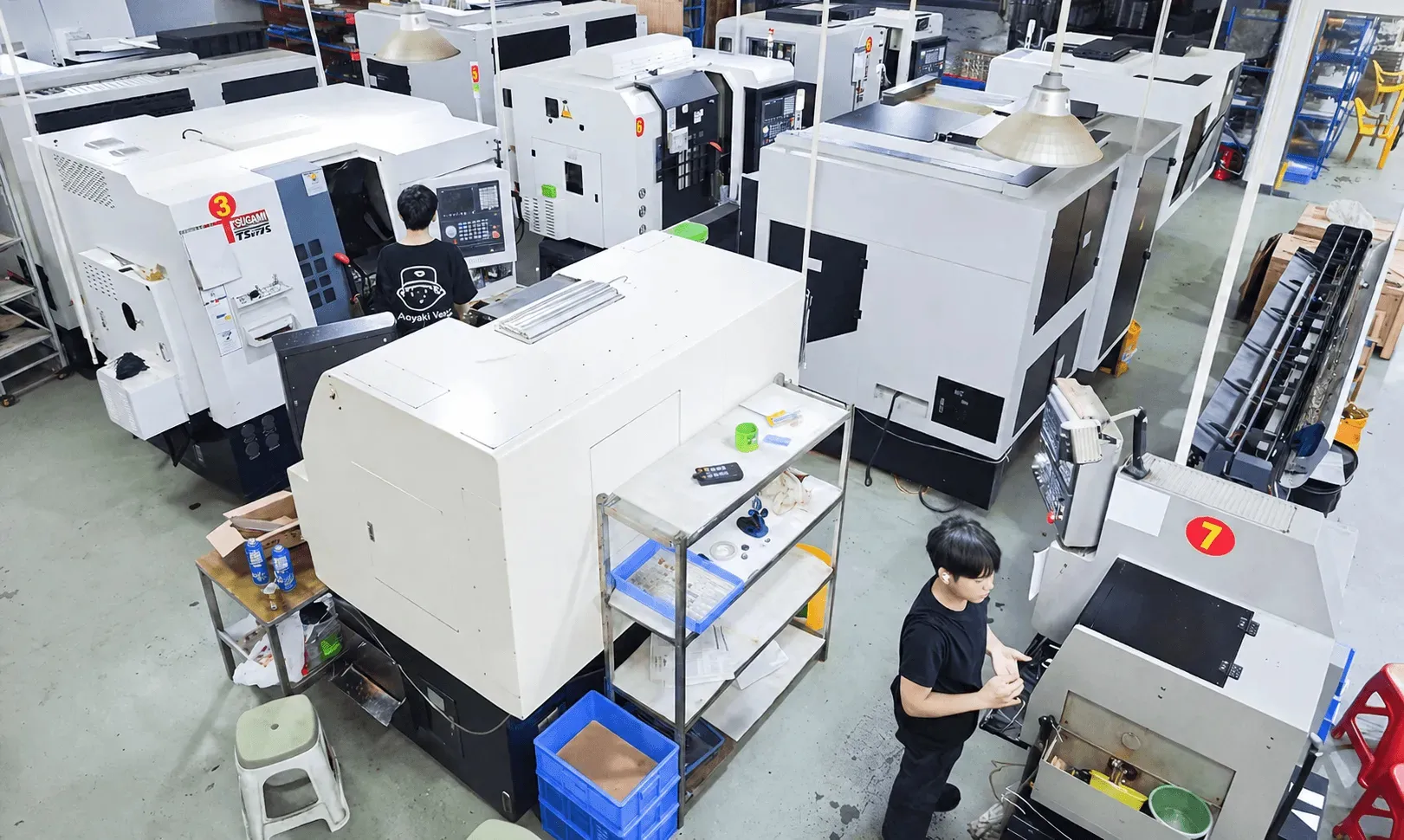
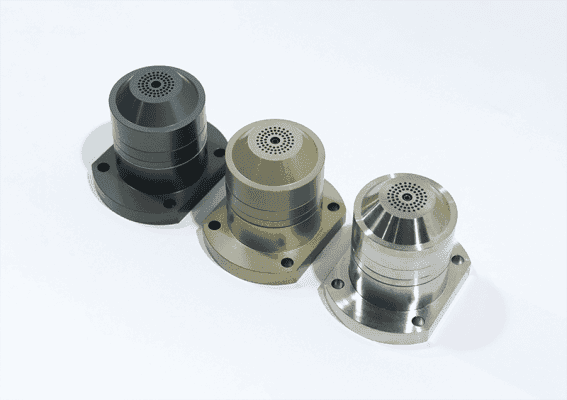
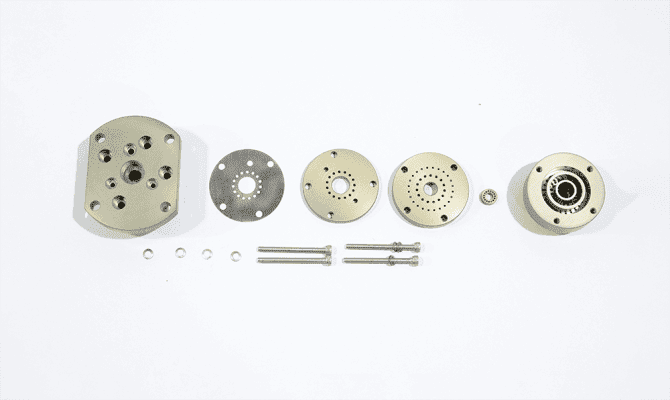
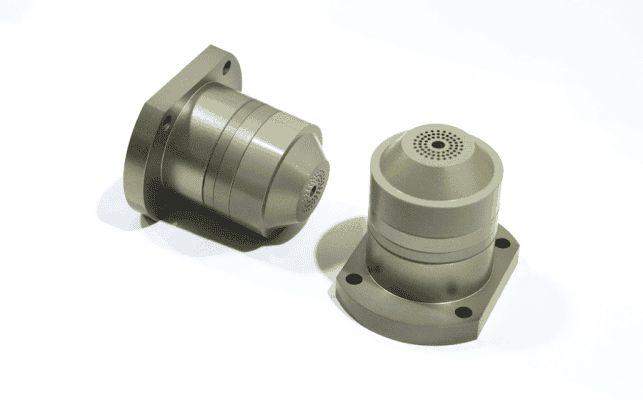
Backed by our advanced Turn-Mill CNC Machining Centers, we fabricate our burner heads and multi-channel gas bodies in a single setup. This ensures perfect coaxial alignment across all concentric gas rings, delivering an exceptionally stable, uniform flame for your deposition process.
For a technical deep dive into how nozzle concentricity directly impacts preform yield, read How Burner Nozzle Precision Impacts Optical Fiber Preform Yield.
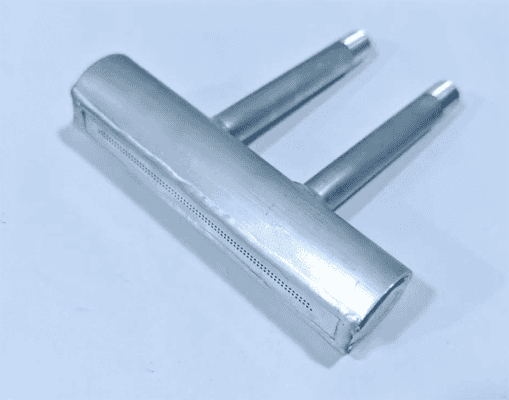
Clogged or unevenly discharging micro-holes are a major cause of premature soot buildup and turbulent gas mixing. Any microscopic burr left inside the nozzle can cause chemical gases to swirl, creating local cold spots on the target mandrel.
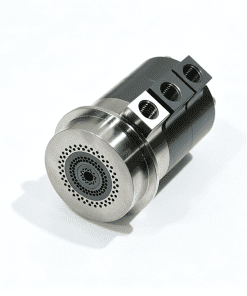
We utilize specialized micro-drilling techniques combined with proprietary precision deburring and chemical polishing processes. Every single micro-hole undergoes strict optical projection inspection to ensure a smooth interior wall, optimal flow dynamics, and significantly reduced cleaning intervals for your maintenance team.
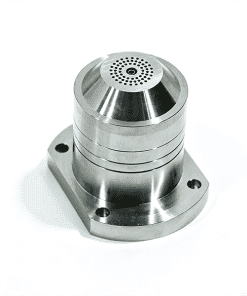
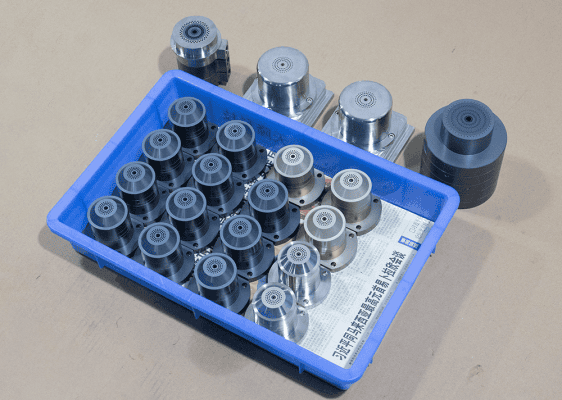
Browse our Ti OVD Torch Parts — each unit undergoes the same precision deburring and optical inspection process described above.
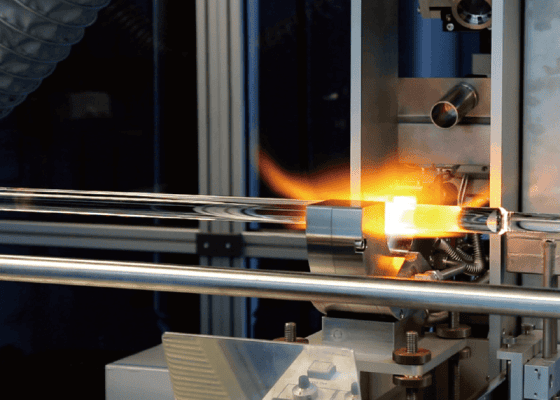
OVD and VAD burners operate in harsh environments featuring both extreme temperatures and highly corrosive chlorine-byproduct environments.
We primarily utilize high-purity 316L Stainless Steel, Premium Brass/Copper alloys, and specialized Quartz materials based on your specific equipment requirements. For metal components, we apply advanced surface treatments (such as hard anodization or customized anti-corrosion coatings) to maximize resistance to chemical erosion, ensuring a longer consumable lifespan and fewer tracking errors during long deposition cycles.
See our Material Science & Reverse Engineering Guide for a detailed breakdown of 316L SS vs. Copper vs. Quartz alloy selection for specific deposition setups.