
지식
광섬유 권선 스풀 허브: 맞춤형: 보어 및 샤프트 인터페이스 점검
10월
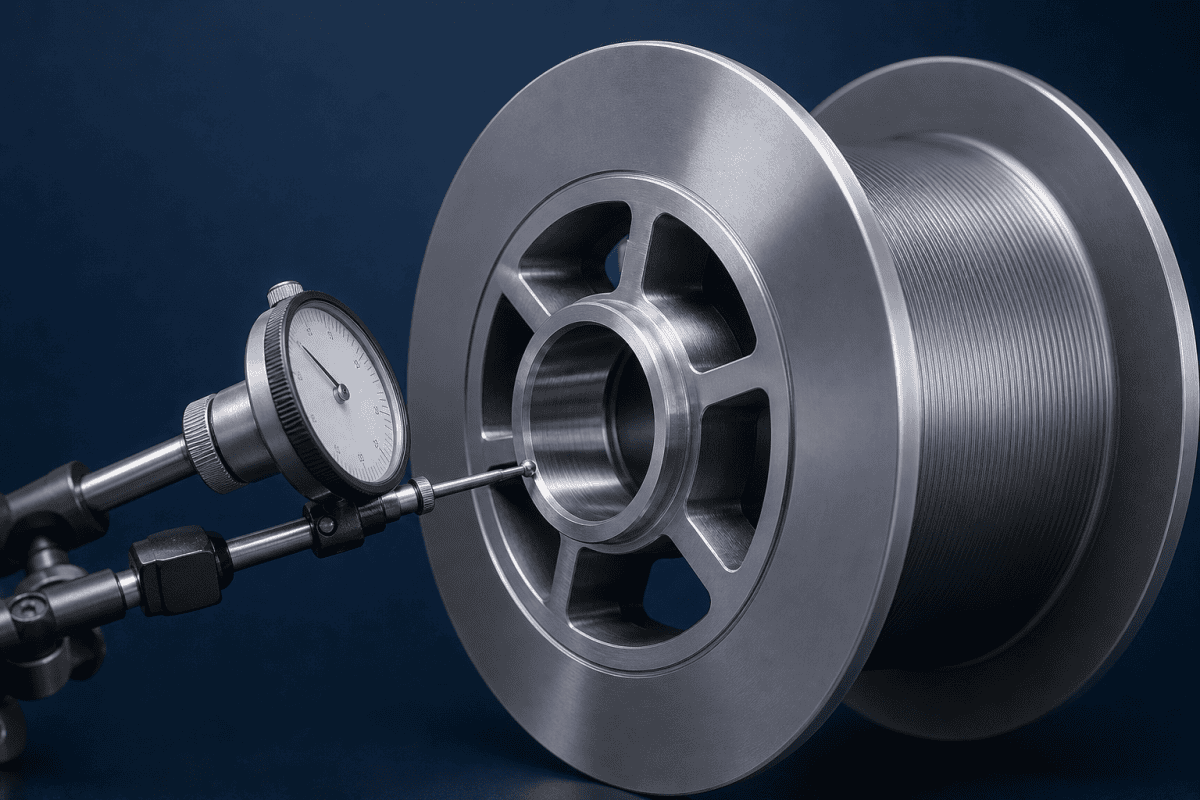
광섬유 권선 스풀 허브는 권취 품질에 지대한 영향을 미치는 작은 부품입니다. 구형 와인더를 위한 허브를 역설계하든, 맞춤형 라인을 위해 새로 지정하든, 보어와 샤프트 인터페이스는 일반적으로 런아웃, 슬립, 진동 문제가 발생하는 지점입니다. 이 글은 허브 형상만이 아니라 보어와 샤프트 사이의 끼워맞춤에 초점을 맞추어, 맞춤형 광섬유 스풀 허브를 위한 실용적인 검사 및 소싱 프레임워크를 설명합니다.
보어와 샤프트 인터페이스가 허브 본체보다 더 중요한 이유
스풀 허브는 회전을 전달하고, 스풀을 와인더 축과 동심으로 유지하며, 보빈 교체 시 스풀을 해제하거나 클램핑해야 합니다. 허브 본체는 상대적으로 관대합니다. 플랜지가 약간 두껍거나 재질이 대체되어도 질량이나 외관에만 영향을 미칠 수 있습니다. 보어와 샤프트 인터페이스는 관대하지 않습니다. 클리어런스, 테이퍼, 표면 조도, 클램핑 거동은 모두 광섬유 장력 안정성과 층 정렬에 직접적으로 작용합니다.
이 인터페이스에서 비롯되는 전형적인 증상으로는 권선 속도에 따라 변하는 축방향 또는 반경방향 런아웃, 권취 패키지가 한쪽 플랜지로 점진적으로 쏠리는 현상, 샤프트의 클램프 자국, 교체 후 스풀 흔들림, 스풀 끝단 근처에서의 설명되지 않는 장력 스파이크 등이 있습니다. 허브를 교체하기 전에, 문제가 허브를 따라가는지, 샤프트를 따라가는지, 아니면 그 조합을 따라가는지 확인할 가치가 있습니다.
맞춤형 스풀 허브 주문 전 실행해야 할 점검 사항
샤프트를 측정하십시오, 기존 허브가 아닙니다
기존 허브 보어는 허브가 제작되었을 당시의 샤프트 상태를 반영하며, 현재의 상태를 반영하지 않습니다. 샤프트는 마모되거나, 연마되거나, 재가공되거나, 치수가 동일하지 않은 공칭 등가품으로 교체됩니다. 실제 샤프트를 여러 축방향 위치와 하나 이상의 각도 방향에서 측정하십시오. 약간 휘어지거나, 테이퍼가 있거나, 국부적인 마모 밴드가 있는 샤프트는 끼워맞춤 선정에 중요한 불일치 판독값을 생성합니다.
- 베어링 또는 지지 영역 및 전체 허브 시트 길이에서의 외경
- 여러 각도 위치에서의 진원도 또는 타원도
- 허브 시트 길이에 걸친 직진도 또는 런아웃
- 표면 상태: 스코어링, 부식, 연마, 버 또는 키홈 손상
- 허브가 결합해야 하는 숄더, 단차, 키, 평면, 테이퍼 또는 나사산 섹션
허브가 어떻게 고정되는지 확인하십시오
광섬유 권선 스풀 허브는 여러 가지 방식으로 고정되며, 보어 설계는 그 선택에 따릅니다. 일반적인 방식으로는 끝단 클램프가 있는 슬라이딩 끼워맞춤, 테이퍼 또는 콜릿 인터페이스, 키 또는 스플라인 구동, 샤프트의 릴리프 섹션에 접촉하는 세트 스크류 또는 클램프 칼라, 그리고 축방향 위치가 보어가 아닌 면에 의해 설정되는 숄더 안착 허브 등이 있습니다. 고정 방식을 확인하지 않고 도면만으로 허브를 제거하는 것은 초도품 거부의 빈번한 원인입니다.
허브가 수행해야 할 역할을 살펴보십시오
저속 권취 스테이션의 허브와 고속 정밀 와인더의 허브는 같은 문제가 아닙니다. 속도, 만재 시 스풀 질량, 가속 및 감속 프로파일, 요구되는 교체 시간은 모두 보어 공차와 클램핑 방식을 제약합니다. 운전 환경도 마찬가지입니다. 고온에서 작동하거나, 세정 용제에 노출되거나, 습한 지역에 위치한 허브는 청정하고 안정적인 베이에 있는 허브와 다른 표면 처리 또는 다른 기본 재질이 필요할 수 있습니다.
보어 및 샤프트 측정값 해석
너무 느슨한 클리어런스
과도한 클리어런스는 스풀이 하중 하에서 이동할 수 있게 합니다. 그 영향은 일정하기보다 주기적인 경우가 많습니다. 허브가 샤프트에 대해 새로운 위치를 찾으면서 패키지가 쏠렸다가 다시 교정됩니다. 심한 경우 급격한 감속 중에 스풀이 샤프트에 대해 약간 회전할 수 있습니다. 느슨한 끼워맞춤은 의도보다 더 세게 조인 클램프에 의해 가려지는 경우가 있으며, 이는 샤프트 표면에 그 자체의 문제를 야기합니다.
너무 tight한 클리어런스
억지 끼워맞춤 또는 거의 억지에 가까운 끼워맞춤은 일부 허브 설계에 적합할 수 있지만, 허브와 샤프트 재질, 벽 두께, 조립 방법이 그에 맞게 선택된 경우에만 해당합니다. 압입하고 끌어내야 하는 허브는 취급 손상을 발생시키고, 교체를 지연시키며, 박벽 허브를 변형시켜 스풀 안착에 영향을 미칠 위험이 있습니다. 허브 제거가 어렵다면 이는 설계 문제이지, 작업자 문제가 아닙니다.
보어 형상 문제
직경만으로는 보어를 정의할 수 없습니다. 허브가 직경상으로는 정확하게 측정되면서도 다음과 같은 이유로 런아웃을 발생시킬 수 있습니다:
- 보어 대 플랜지 면 직각도 오차 — 스풀을 기울게 함
- 보어 대 외부 데이텀 동심도 오차 — 스풀 축을 편향시킴
- 가공 또는 열 변형으로 인한 테이퍼 또는 배럴 형상 보어
- 보어 입구의 국부적 고점, 버 또는 융기된 모서리
- 날카로운 샤프트 형상에 대한 반복 조립으로 인한 라운딩 또는 손상
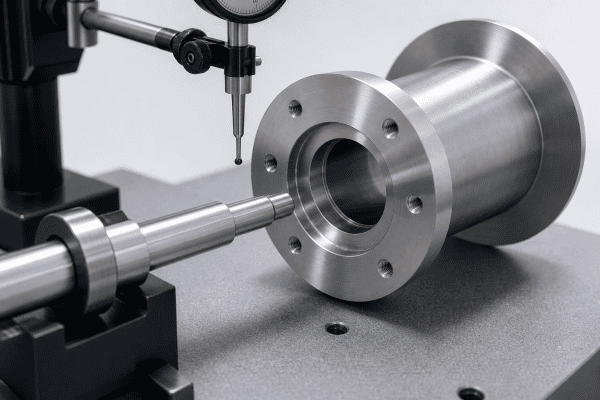
이러한 상태는 끼워맞춤이 손으로 느껴질 때 정확하더라도 런아웃을 발생시킵니다. 실용적인 진단 방법은 조립된 허브와 스풀을 와인더 축에 지시하고 플랜지와 스풀 시트에서 축방향 및 반경방향 런아웃을 비교하는 것입니다. 조립 후에만 런아웃이 나타난다면 인터페이스 형상이 강력한 원인 후보입니다.
정렬 및 런아웃 검증
기본 보어 및 샤프트 측정값이 기록되면, 다음 단계는 어셈블리가 실제로 장착되었을 때 어떻게 작동하는지 검증하는 것입니다. 정적 측정값은 올바르게 보일 수 있지만, 동적 거동은 회전 중에만 나타나는 문제를 드러냅니다. 허브 플랜지와 스풀 시트에 다이얼 인디케이터를 설치하고, 허브를 수동으로 회전시킨 후 생산 속도로 구동하면, 런아웃이 일정한지 또는 rpm에 따라 증가하는지를 확인할 수 있습니다. 런아웃이 속도에 따라 증가하면, 그 원인으로는 불균형 스풀, 휘어진 샤프트, 또는 기준면에 정확히 안착되지 않는 허브를 들 수 있습니다. 보어와 샤프트 인터페이스를 먼저 해결하면, 나머지 오차가 동적인지 기하학적인지를 확인할 수 있습니다.
인터페이스에서의 재질 및 표면 고려 사항
허브의 재료 선택은 관습이 아닌 기능에 의해 결정됩니다. 저속에서 경량 스풀을 위치시키기만 하는 허브는 반복적인 교체 작업 하에서 클램핑된 보어를 통해 토크를 전달하는 허브와 요구 사항이 다릅니다. 관련 요소로는 샤프트 대비 열팽창, 알루미늄이 스테인리스와 접촉할 때의 갈링 경향, 보어의 경도 및 내마모성, 질량 및 관성, 세척제로 인한 화학적 노출, 그리고 부품이 샤프트 표면에 손상을 주지 않아야 하는지 여부가 포함됩니다.
알루미늄은 관성 감소와 가공 용이성 때문에 자주 선택되며, 알루미늄 OVD 부품은 질량이 중요한 경우 공정 인접 부품을 해당 재료로 생산할 수 있는 방법을 보여줍니다. 특히 허브의 경우, 알루미늄이 경질 강 샤프트와 접촉할 때 끼워맞춤이 긴밀하고 윤활이 없으면 갈링이나 재료 부착이 발생할 수 있으므로, 표면 처리나 다른 보어 전략이 적절할 수 있습니다. 이러한 선택은 기본 설정이 아닌, 제공해 주신 운전 조건에 따라 결정되어야 합니다.
맞춤형 광섬유 스풀 허브를 위한 명확한 소싱 요청서 작성
도면과 간단한 운전 메모를 함께 제공하면 도면만 제공하는 것보다 훨씬 나은 결과를 얻을 수 있습니다. 메모는 길 필요가 없으며, 기계 가공자와 엔지니어가 추측해야 할 질문을 해결해 주면 됩니다.
포함해야 할 사항
- 허브 시트에서의 주석이 달린 샤프트 치수, 끼워맞춤 등급 또는 목표 클리어런스 포함
- 키, 플랫, 테이퍼 또는 나사산이 정의된 고정 및 클램핑 방법
- 런아웃에 중요한 보어 대 면 및 보어 대 외경 기하학적 제어
- Material and any surface treatment, with the reason stated
- Operating speed range, spool mass when full, and changeover method
- Environment: temperature range, cleaning agents, humidity, and contamination risk
- Sample quantity and whether a first-article check is expected
미결 사항으로 표시해야 할 항목
If the original hub is unavailable or undocumented, say so explicitly. A supplier working from a worn sample plus measured shaft data can propose a bore and retention strategy, but only if they know which dimensions are fixed by the equipment and which are open to redesign. This is the situation where reverse engineering adds the most value, and the general workflow is described in this guide to supplier qualification for preform equipment parts, which applies the same logic to closely toleranced preform equipment parts.
허브 인터페이스와 관련된 일반적인 권선 결함
When a hub is not matched to its shaft, the resulting faults often show up as winding defects rather than as obvious mechanical failures. Recognizing the pattern can save unnecessary replacement of unrelated components. Typical symptoms include layer registration drift toward one flange, periodic tension spikes that correlate with spool rotation, and visible wobble that increases as the package builds. For a broader look at how the cutter and clamp assembly interacts with the hub during changeover, see the guide to cutter assembly replacement specifications.
와인더에서의 런아웃 및 슬립 문제 해결
When a hub-related fault appears, separate possible causes from confirmed ones before ordering replacements. Useful verification steps include:
- Possible cause: hub bore fit. Verify by swapping in a known-good hub on the same shaft and repeating the runout measurement.
- Possible cause: shaft wear or bend. Verify by indicating the bare shaft over the seat length without a hub installed.
- Possible cause: retention or clamp not seating. Verify by inspecting contact marks and confirming the hub seats against the intended datum face, not against a burr or shoulder fillet.
- Possible cause: spool-to-hub seating. Verify by indicating the spool directly; error here imitates a hub fault.
- Possible cause: hub distortion from over-tightening. Verify by measuring bore roundness before and after clamping.
If runout correlates with winding speed rather than with the hub position, the interface may be amplifying a separate imbalance or tension control issue. Recording runout at several speeds helps distinguish a geometric fault from a dynamic one.
스풀 허브 작업이 광범위한 유지보수 계획에서 차지하는 위치
Hubs are usually replaced as part of a broader take-up station refresh, alongside the components that handle fiber at the end of the line. The 광섬유 와인더 클램프 및 커터 어셈블리 is one example of a take-up area component where changeover handling and alignment matter as much as the hub fit. Treating these parts as a coordinated set, rather than replacing one at a time, tends to reduce repeat faults caused by a new hub compensating for a worn mating part.
For teams that need non-standard hub geometries, modified bore features, or drawing-based production of parts no longer offered by the original equipment supplier, OEM/ODM machining services cover one-off and small-batch manufacture from supplied drawings or measured samples.
허브 보어 공차 및 끼워맞춤 등급
Assigning a fit class to the bore is easier when the operating conditions are known. A controlled sliding fit with a defined clearance band suits hubs that are removed frequently, while a light interference fit may be appropriate for hubs that stay mounted for long periods. The bore tolerance should always be stated with the shaft tolerance and the retention method, because a clearance that works with an end clamp may be too loose for a set screw arrangement. When reviewing an existing specification, check whether the fit class was chosen for the hub material and wall thickness or simply carried over from a legacy drawing. A hub with a thin wall can distort under clamping load, so the as-machined bore tolerance may need to be tighter than the assembled requirement.
자주 묻는 질문
보어 직경만으로 허브를 지정할 수 있습니까?
No. Bore diameter sets clearance, but perpendicularity to the flange face, concentricity to the spool seat, bore length, entry chamfer, and surface finish all affect assembled runout. Two hubs with the same bore diameter can behave very differently on the same shaft.
허브는 압입 끼워맞춤이어야 합니까, 아니면 슬라이딩 끼워맞춤이어야 합니까?
It depends on how the hub is retained and how often it is changed. Frequent changeover favors a controlled sliding or clamped fit with a defined datum. Press fits can work where the hub stays in place, but they require the hub and shaft materials and wall thickness to be evaluated together, and they make removal a planned operation rather than a routine one.
기존 허브만 있고 도면이 없다면 어떻게 해야 합니까?
Supply the worn hub, accurate shaft measurements over the seat length, and the retention method. Note which dimensions are constrained by the equipment and which can be adjusted. A supplier can then propose a bore and clamping approach instead of copying wear into the new part.
허브 재질을 변경하면 필요한 보어 공차가 변경됩니까?
It can. Thermal expansion differences, galling tendency, hardness, and the hub’s wall stiffness all influence how a given fit behaves in service. If you change from one material to another, revisit the fit and surface treatment rather than carrying the previous tolerance forward unchanged.
광섬유 권선 스풀 허브에 관한 FAQ
For more detail on the components that work alongside the hub during bobbin changeover, the article on 광섬유 보빈 교체 부품 covers custom clamp and cutter parts. A separate guide on optical fiber take-up winder clamp replacement explains dimensional and grip checks that pair well with hub inspection. For a standards reference on limits and fits, ISO 286-1 from the International Organization for Standardization provides the tolerance grade definitions used in most bore and shaft specifications.
다음 단계
To move from inspection to a workable quotation, gather the shaft measurements, retention details, runout requirements, and operating conditions for each hub position. Send those along with any available drawings, photos of the worn part, and a note on which dimensions are fixed by the equipment, and contact our team to review the bore and shaft interface and discuss a suitable manufacturing approach.
