
지식
OVD vs. VAD vs. MCVD 토치 노즐: 기술 비교 및 소모품 조달 가이드
August
광섬유 제조 산업에서 광섬유 모재의 품질과 감쇠는 직접적으로 다음 장치의 성능에 의존합니다: 증착 토치 어셈블리. 귀하의 공장이 다음 공정을 사용하든 외부 기상 증착(OVD), 기상 축방향 증착(VAD), 또는 개질 화학 기상 증착(MCVD), 고정밀 토치 노즐의 선택과 유지보수는 화염 형상 및 그을음 증착 효율을 최적화하는 데 중요합니다.
이러한 토치 노즐은 지속적인 열 응력과 부식성 화학 환경에서 작동하므로 GeCl₄, 4개의 G1/8 표준 공기 유입구, SiCl₄, 를 특징으로 하며, O₂, 마모가 심한 소모품입니다.
이 종합적인 기술 가이드는 OVD, VAD 및 MCVD 버너 노즐의 고유한 엔지니어링 요구 사항을 비교하고 비용 효율적이고 고정밀한 OEM 교체 부품을 조달하기 위한 모범 사례를 강조합니다.
OVD, VAD 및 MCVD 토치 노즐 간의 주요 차이점
세 가지 증착 공정 모두 고순도 실리카 SiO₂ 그을음 입자를 화학 기상 증착을 통해 합성하지만, 화염 동역학 요구 사항과 토치 헤드 구조는 크게 다릅니다.
| 공정 유형 | 증착 방향 | 핵심 노즐 재질 | 주요 기술적 과제 |
| OVD 버너 | 반경 방향(외부 타깃 로드) | OFHC 구리 / 316L 스테인리스강 | 대구경 모재 전체에 걸쳐 대칭적인 화염 형상 유지 |
| VAD 버너 | 축 방향(단면 성장) | 용융 석영 / OFHC 구리 | 굴절률 프로파일 형성을 위한 정밀 온도 구배 제어 |
| MCVD 토치 | 내부(석영관 내부) | 고순도 용융 석영 / 합금 | 내부 열영동 그을음 증착을 유도하기 위한 균일한 외부 가열 |
OVD 버너 노즐(외부 기상 증착)
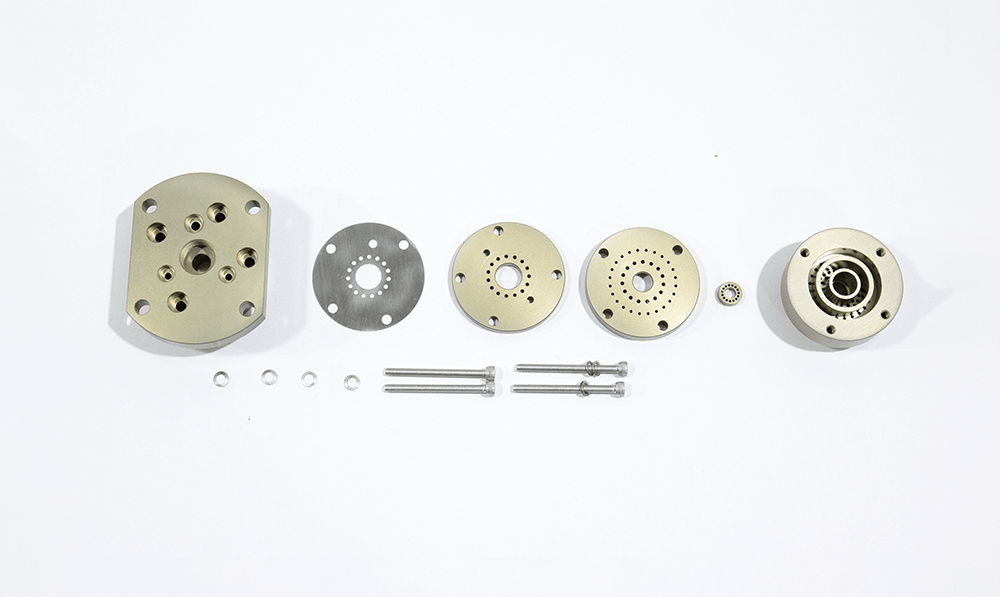
OVD 공정에서 화학 증기는 회전하는 타깃 로드에 반경 방향으로 분사됩니다. 해당 장치는 OVD 버너 노즐 다중 동심 미세 오리피스 설계를 특징으로 하며, 이는 연료 가스 , 운반 가스 및 전구체 증기를 제어합니다. H₂/O₂, 가스 속도 균형: GeCl₄.
-
노즐 팁에서의 조기 화학 연소를 방지하기 위해 정밀한 미세 채널 정렬이 필요합니다. 열 관리:.
-
무산소 고전도성(OFHC) 구리 일반적으로 또는 통합 냉각 채널이 있는 316L 스테인리스강을 사용하여 장시간 증착 공정 중 열 변형을 방지합니다. VAD 버너 노즐(기상 축방향 증착).
VAD 기술은 성장하는 수직 로드의 끝면에 그을음을 증착합니다. OVD와 달리 VAD 버너는 코어와 클래딩을 동시에 합성하기 위해 특수한 다중 스트림 석영 또는 금속 토치 헤드를 자주 사용합니다.
굴절률 제어:.
-
다중 링 노즐 형상은 게르마늄 GeO₂ 도펀트 분포를 제어하기 위해 엄격한 가스 속도 비율을 유지해야 합니다. 재질 순도:.
-
용융 석영 및 클린룸 등급 구리 버너 팁은 코어 로드의 금속 입자 오염을 방지하기 위한 표준입니다. MCVD 가열 토치(개질 화학 기상 증착).
MCVD 가열 토치 (변형 화학 기상 증착)
In MCVD, reactions occur inside a rotating quartz tube. The external gas burner or plasma torch moves axially along the tube, heating the glass to induce internal deposition and vitrification.
-
High Heat Resistance: MCVD torches must endure intense external heating 1600℃ 에서 2000℃ to achieve consistent glass collapse and consolidation.
Causes of Torch Nozzle Degradation and Wear
Deposition nozzles are high-wear consumable components subject to continuous physical and chemical degradation, including:
-
Micro-Orifice Chemical Erosion: Corrosive chloride gases gradually etch gas channels, altering gas velocity and causing flame tilting.
-
Thermal Stress and Distortion: Repeated heating cycles cause subtle micro-expansions, compromising single-digit micron tolerances.
-
Soot and Chemical Buildup: Micro-particles accumulating on the nozzle face distort the flame pattern, leading to uneven preform density and higher fiber attenuation.
Why Precision Micro-Machining Matters for Replacement Parts
Replacing worn torch nozzles with direct-fit OEM replacement parts restores optimal flame characteristics without requiring complete torch assembly overhauls. However, replacement parts must meet strict manufacturing standards:
-
Single-Digit Micron Tolerances ±.002mm: Ensures exact orifice concentricity and stable flame geometry.
-
Mirror Surface Polishing Ra < 0.2 μm: Eliminates internal channel roughness to prevent turbulence and particle clogging.
-
100% Direct OEM Compatibility: Guarantees seamless drop-in installation without cleanroom recalibration.
Direct OEM Replacement Parts: Balancing Quality and Cost
Sourcing original equipment manufacturer (OEM) replacement nozzles often incurs excessive costs and extended lead times. Sourcing field-tested, direct OEM replacement burner parts from specialized precision machining manufacturers allows plant operators to slash consumable expenses while maintaining strict optical fiber attenuation standards.
Whether you need standard OVD burner heads, custom VAD quartz nozzles, or OEM modification based on CAD drawings, working with a precision-focused supplier ensures reliable production uptime.
Need direct OEM replacement burner parts or custom CAD machining? Contact Our Technical Sourcing Team today to request technical spec sheets and custom factory quotes.
